


Resources
Learn about the Bedfont® NObreath® and the use of FeNO monitoring in clinical practice with this collection of studies, technical information, testimonials and case examples.
Datasheets & Literature
Access a full range of technical documents for the Bedfont® NObreath® FeNO device, including user guides, specification sheets and FeNO interpretation resources. These materials support accurate device use in primary care, diagnostic hubs and respiratory clinics across the UK, helping clinicians deliver reliable and consistent FeNO testing.
Multilingual Downloads
Download NObreath® catalogues, datasheets and FeNO interpretation charts in multiple languages. These resources support international users and multilingual healthcare teams who require device documentation in their preferred language.
NObreath Manuals
NObreath Datasheets
NObreath Interpretation Chart
Infection Control Information
Find essential information on safe mouthpiece use, device cleaning and infection control procedures for FeNO testing. These resources help healthcare professionals maintain high clinical standards and reduce the risk of cross infection during routine testing in GP surgeries, community diagnostic centres and respiratory services.
FeNO Webinars
Watch expert led webinars covering FeNO testing, asthma diagnosis and practical implementation within primary care. These sessions provide valuable insights into NICE NG245, real world FeNO use and clinical decision making, helping teams enhance their approach to asthma management across the UK.
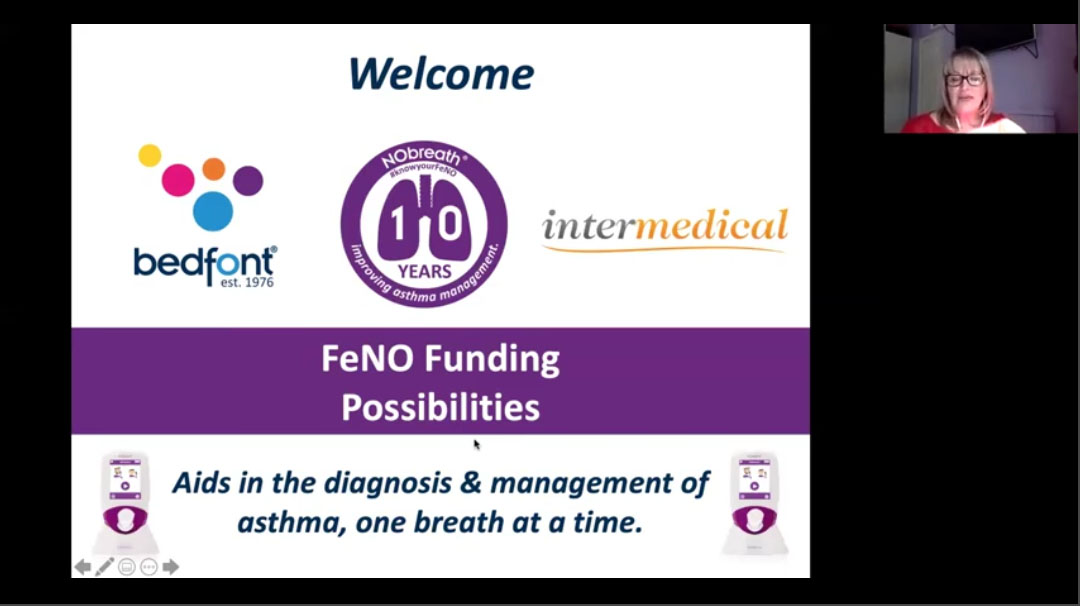
FeNO Funding Possibilities
Webinar hosted by Carol Stonham MBE, Chair of the PCRS executive committee and Senior Respiratory Nurse Practitioner at Gloucestershire CCG. Recorded on 14th April 2021.
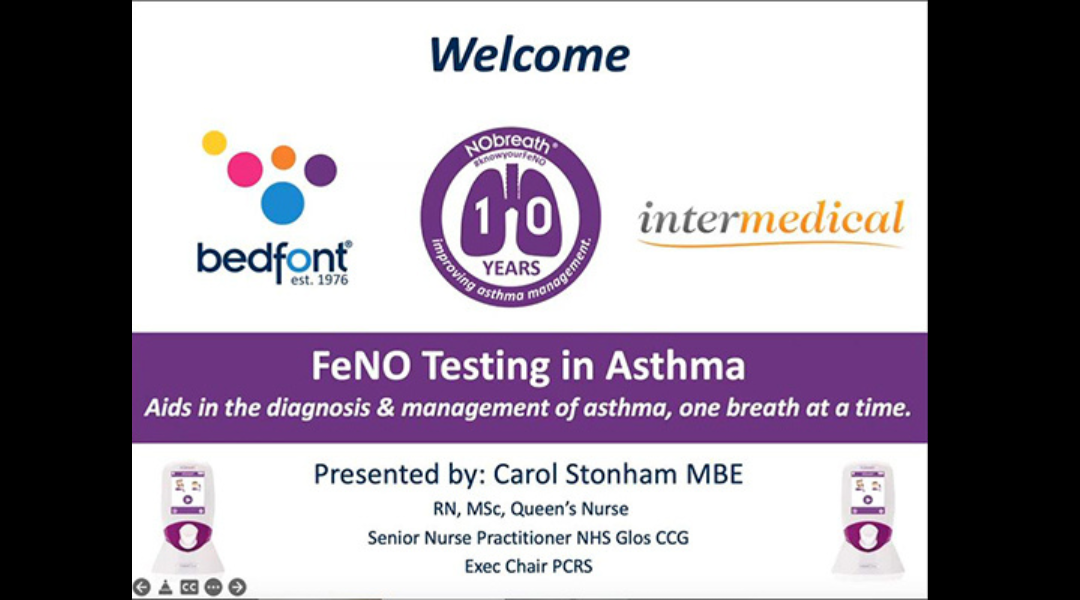
Optimising Asthma Care in Patients using FeNO
Webinar hosted by Carol Stonham MBE, Chair of the PCRS executive committee and Senior Respiratory Nurse Practitioner at Gloucestershire CCG. Recorded on 1st April 2021
FeNO Educational Webinar
Webinar hosted by Carol Stonham MBE, Chair of the PCRS executive committee and Senior Respiratory Nurse Practitioner at Gloucestershire CCG. Recorded on 29th March 2022.
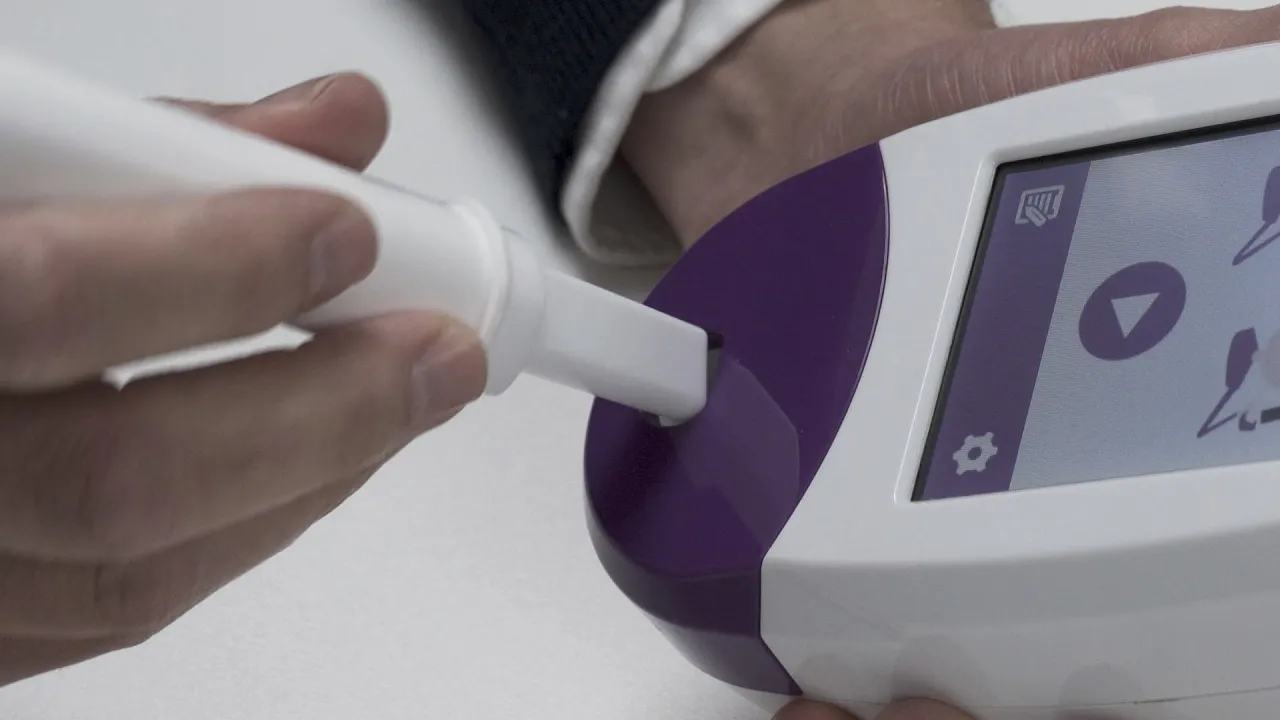
NObreath® for FeNO Testing in Primary Care
Improve Asthma Diagnosis with the NObreath® FeNO device | Intermedical Managing asthma in primary care has never been easier! The NObreath® FeNO device from Intermedical provides a quick, non-invasive, and accurate way to measure airway inflammation, helping healthcare professionals diagnose and monitor asthma more effectively.
NObreath Training Videos
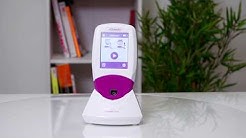
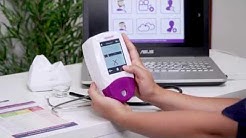
View short training videos demonstrating how to use the NObreath® device, perform a FeNO test and interpret results. These guides help clinicians and healthcare support staff build confidence and ensure consistent, high quality FeNO testing for patients of all ages.

Clinical Papers & Peer-Reviewed Evidence
A curated collection of peer-reviewed studies demonstrating the accuracy, repeatability, and clinical value of FeNO testing with the NObreath® device.
Clinical Paper Summary: Clinical Aspects of FeNO – 2000 ERS
Study: Clinical Aspects of FeNO
Authors: ERS Task Force
Year: 2000
Summary
This landmark European Respiratory Society (ERS) paper established some of the earliest standardised guidance on the measurement and interpretation of fractional exhaled nitric oxide (FeNO). It reviews the physiological basis of nitric oxide production in the airways and evaluates FeNO as a non-invasive marker of eosinophilic inflammation. The paper also discusses methodological considerations, such as flow rate, reproducibility and factors influencing FeNO variability, which later informed ATS/ERS measurement recommendations.
The review highlights FeNO’s emerging diagnostic role at the time, particularly for differentiating eosinophilic asthma from other airway diseases. It also details early evidence that FeNO levels respond rapidly to inhaled corticosteroids, making FeNO a useful tool for monitoring anti-inflammatory treatment.
Key Findings
-
FeNO is strongly linked to eosinophilic airway inflammation.
-
Standardisation of measurement technique is essential for reliable interpretation.
-
FeNO can help identify patients likely to respond to inhaled corticosteroids.
-
Early evidence showed FeNO’s potential in monitoring asthma control and treatment effect.
Why This Matters for Clinical Practice
Although published in 2000, this ERS paper remains foundational in the evolution of FeNO testing. Many of the principles outlined contributed to modern ATS/ERS standards and the widespread clinical adoption of FeNO that informed NICE NG245. Its findings support the continued use of FeNO — including portable electrochemical devices such as NObreath® — as a reliable tool for assessing inflammation and guiding asthma management across NHS services.
Clinical Paper Summary: Diagnosing Asthma – Comparisons Between Exhaled Nitric Oxide Measurements and Conventional Tests
Study: Diagnosing Asthma: Comparisons Between Exhaled Nitric Oxide Measurements and Conventional Tests
Authors: A.D. Smith et al.
Year: 2004
Summary
This landmark study compares fractional exhaled nitric oxide (FeNO) measurements with traditional diagnostic methods for asthma, including spirometry, bronchodilator reversibility and peak flow variability. The authors evaluated how FeNO performs as a diagnostic biomarker, particularly in distinguishing eosinophilic asthma from non-eosinophilic respiratory symptoms.
The findings demonstrate that FeNO provides a sensitive, non-invasive measure of eosinophilic airway inflammation and often identifies asthmatic patients who do not show abnormalities on routine lung function tests. The study also highlighted FeNO’s strong correlation with steroid-responsive disease, helping clinicians identify patients likely to benefit from inhaled corticosteroid therapy. Handheld electrochemical FeNO devices such as NObreath® make this testing accessible in both primary and secondary care.
Key Findings
-
FeNO is more sensitive than spirometry for detecting eosinophilic asthma.
-
Elevated FeNO levels predict corticosteroid responsiveness.
-
FeNO helps differentiate asthma from other causes of respiratory symptoms.
-
FeNO provides diagnostic value even when spirometry is normal.
Why This Matters for Clinical Practice
This study provides some of the earliest strong evidence that FeNO adds significant diagnostic value beyond conventional testing. It supports FeNO’s role in confirming Type-2 inflammation, guiding inhaled corticosteroid decisions and identifying patients with asthma even when spirometry is inconclusive. These findings underpin modern guidelines (including NICE NG245) and support the routine use of portable FeNO analysers such as NObreath® in primary and secondary care settings.
Clinical Paper Summary: Comparison of Usability and User-Friendliness of Three FeNO Analyzers in a General Population Cohort of the LEAD Study
Study: Comparison of Usability and User-Friendliness of Three FeNO Analyzers in a General Population Cohort of the LEAD Study
Authors: Idzko et al.
Year: 2025
Summary
This prospective clinical study evaluated the usability, practicality, and user friendliness of three handheld fractional exhaled nitric oxide (FeNO) analysers, including the Bedfont® NObreath®, within a large general population cohort from the LEAD study. The researchers compared device performance, ease of use, successful test completion, and measurement agreement between handheld FeNO devices and stationary chemiluminescence reference analysers.
The study demonstrated that all handheld devices showed good usability and acceptable agreement with reference measurements, supporting their suitability for routine clinical use. NObreath® performed particularly well in terms of successful test completion and patient usability, requiring fewer additional attempts during testing compared with some alternative devices.
The findings highlight the importance of usability and practicality when implementing FeNO testing in real world respiratory pathways, particularly in primary care and community settings where rapid, reliable, and user friendly testing is essential.
Key Findings
- Handheld FeNO analysers demonstrated good usability and reliable performance in a general population cohort.
- NObreath® achieved high rates of successful measurement completion with minimal additional testing attempts.
- Portable FeNO devices showed acceptable agreement with stationary chemiluminescence reference analysers.
- User friendliness and ease of testing may improve implementation of FeNO within routine respiratory care.
- Handheld FeNO analysers support practical point of care airway inflammation assessment in clinical settings.
Why This Matters for Clinical Practice
As FeNO testing becomes increasingly integrated into asthma diagnosis and monitoring pathways, usability and accessibility are important factors influencing successful implementation across NHS services. This study reinforces that handheld FeNO devices such as NObreath® provide practical, reliable, and user friendly testing suitable for primary care, secondary care, and community respiratory services.
The findings support the wider adoption of portable FeNO testing within modern asthma pathways, helping clinicians deliver efficient point of care assessment of eosinophilic airway inflammation while improving patient experience and test accessibility.
Measurement of FeNO by a New Portable Device – NObreath®
Study: Measurement of FeNO by a New Portable Device – NObreath®
Authors: Pisi et al.
Year: 2010
Summary
This clinical study evaluates the performance of the original Bedfont® NObreath® FeNO monitor as a portable, electrochemical alternative to traditional chemiluminescence analysers. The researchers compared FeNO values obtained with NObreath® to those from a reference system across a sample of healthy subjects and patients with asthma.
The study demonstrated that NObreath® produced FeNO measurements that correlated strongly with the laboratory analyser, confirming that portable electrochemical technology can reliably assess airway inflammation. The device’s ease of use, compact design and rapid testing process were highlighted as major advantages for routine clinical application.
Key Findings
-
NObreath® showed high correlation with the gold-standard chemiluminescence analyser.
-
The device produced accurate and reproducible measurements in both healthy individuals and patients with asthma.
-
Portable electrochemical FeNO technology was validated as a practical alternative to laboratory-based assessments.
-
The device supports quick, non-invasive airway inflammation testing suitable for real-world practice.
Why This Matters for Clinical Practice
This early validation study provides foundational evidence supporting NObreath® as a reliable FeNO analyser for everyday clinical use. By confirming accuracy comparable to reference systems, it paved the way for widespread adoption of portable FeNO testing — now reflected in modern asthma pathways, including NICE NG245.
NObreath® allows clinicians to measure eosinophilic inflammation quickly, affordably and without the need for complex laboratory equipment, supporting improved diagnosis, monitoring and personalised asthma management.
Assessment of Exhaled NO by a New Hand-Held Device: The NObreath®
Study: Assessment of Exhaled Nitric Oxide by a New Hand-Held Device — the NObreath®
Authors: Antus et al.
Year: 2010
Summary
This validation study assessed the performance of the Bedfont® NObreath® FeNO monitor by comparing its measurements to those obtained using standard chemiluminescence analysers. Researchers evaluated accuracy across a clinically relevant nitric oxide range, repeatability over multiple tests, and user practicality in both healthy participants and individuals with airway disease. The results demonstrated a strong correlation between NObreath® readings and reference laboratory systems, confirming the device’s reliability for clinical use.
The study also highlighted NObreath®’s ease of use, short measurement time, and suitability for routine practice, offering clinicians a practical alternative to larger laboratory-based analysers.
Key Findings
-
NObreath® showed strong correlation with chemiluminescence FeNO measurements.
-
High repeatability across repeated measurements confirmed device reliability.
-
The portable design supported quick, user-friendly testing suitable for outpatient and community settings.
-
Demonstrated clinical value for assessing eosinophilic airway inflammation.
Why This Matters for Clinical Practice
This early independent validation provides strong evidence supporting the accuracy and repeatability of the NObreath® device. For NHS services, it reinforces the suitability of portable electrochemical FeNO monitors as cost-effective tools for diagnosing and monitoring asthma. The findings support broader adoption of point-of-care FeNO testing in line with modern asthma pathways and NICE guidance.
Clinical Paper Summary: Comparative Repeatability of Two Handheld FeNO Monitors
Study: Comparative Repeatability of Two Handheld Fractional Exhaled Nitric Oxide Monitors – NObreath®
Authors: Kapande et al.
Year: 2011
Summary
This peer-reviewed study compares the repeatability of FeNO measurements using two handheld electrochemical devices, including the Bedfont® NObreath®. The researchers assessed intra-device variability and agreement with standard chemiluminescence methods. Results show that NObreath® demonstrates strong repeatability and reliable performance across a wide range of FeNO values, supporting its suitability for routine clinical use in both adults and children.
The study concludes that portable electrochemical monitors can provide accurate FeNO measurements when used according to recommended procedures, offering a practical alternative to laboratory-based analysers.
Key Findings
-
NObreath® delivers highly repeatable FeNO measurements across multiple tests.
-
Results correlate well with chemiluminescence “gold standard” analysers.
-
Handheld FeNO devices are reliable for point-of-care assessment of airway inflammation.
-
Strong repeatability supports FeNO monitoring in routine asthma diagnosis and follow-up.
Why This Matters for Clinical Practice
Consistent FeNO results are essential for diagnosing eosinophilic asthma and monitoring treatment response. This study reinforces that NObreath® provides reliable, repeatable measurements, enabling clinicians to make confident decisions in both primary and secondary care settings. It supports wider adoption of handheld FeNO testing as recommended by NICE NG245.
Performance of Two Portable Exhaled Nitric Oxide Fraction Devices Compared to a “Gold Standard” Chemiluminescence Device
Study: Performance of Two Portable Exhaled Nitric Oxide Fraction Devices Compared to a “Gold Standard” Chemiluminescence Device
Authors: Thanikkel et al.
Year: 2025
Summary
This study evaluates the performance of two portable FeNO analysers, including the Bedfont® NObreath®, compared with a stationary chemiluminescence analyser considered the laboratory “gold standard.” The research involved 106 children aged 6 to 17 years who were undergoing investigation or monitoring for asthma in a real clinical setting.
Measurements were taken using all three devices to assess repeatability, agreement with diagnostic thresholds, and practical usability in paediatric respiratory care. The results showed that portable FeNO devices demonstrated strong correlation with the reference analyser and high repeatability across a wide range of FeNO values. Although the portable devices tended to measure slightly lower FeNO levels than the reference system, they still showed strong agreement with recognised clinical thresholds used for asthma diagnosis.
The findings suggest that portable FeNO analysers such as NObreath® provide reliable and accessible testing options that support guideline based asthma assessment, particularly in clinical environments where large laboratory analysers are not practical.
Key Findings
Portable FeNO devices showed strong correlation with the reference chemiluminescence analyser across a wide range of FeNO values.
NObreath® demonstrated high repeatability with intraclass correlation values close to those of the laboratory reference device.
Agreement with the European Respiratory Society diagnostic threshold of 25 ppb exceeded 94 percent.
Portable devices tended to report slightly lower FeNO values than the reference analyser but remained clinically useful for screening and diagnosis.
Children achieved valid measurements more easily with NObreath® compared to some other portable devices tested.
Why This Matters for Clinical Practice
This study supports the use of portable FeNO analysers such as NObreath® as practical tools for asthma assessment in paediatric clinical settings. While laboratory chemiluminescence devices remain the research standard, portable devices provide reliable results that align closely with recognised clinical cut off values.
Their portability, affordability, and ease of use make them well suited for primary care, secondary care clinics, and community respiratory services, helping clinicians implement guideline recommended FeNO testing more widely in everyday practice.
Clinical Paper Summary: Domiciliary Diurnal Variation of Exhaled Nitric Oxide Fraction for Asthma Control
Study: Domiciliary Diurnal Variation of Exhaled Nitric Oxide Fraction for Asthma Control
Authors: Saito et al.
Year: 2013
Summary
This study investigated whether daily home monitoring of fractional exhaled nitric oxide (FeNO) could be used as an indicator of asthma control and future exacerbation risk. Fifty adults with varying asthma severity and 15 healthy volunteers measured FeNO and peak expiratory flow (PEF) twice daily at home for two weeks, alongside standard clinical assessments. The authors compared diurnal FeNO variation and PEF variation between controlled and uncontrolled asthma groups and followed patients for three months to record exacerbations.
The results showed that uncontrolled asthmatics had significantly greater diurnal variation and overall fluctuation in FeNO than both controlled asthmatics and healthy subjects, while PEF variability did not discriminate as clearly between groups. A combination of higher FeNO variability and poorer asthma control questionnaire (ACQ) scores was strongly associated with a higher risk of future exacerbations.
Key Findings
-
Diurnal FeNO variation was significantly higher in uncontrolled versus controlled asthma.
-
FeNO fluctuation over time correlated with future risk of asthma exacerbations.
-
PEF variation was less sensitive than FeNO variation for identifying uncontrolled asthma.
-
Combining FeNO variation with ACQ scores provided the best prediction of poor control and future risk.
Why This Matters for Clinical Practice
This study supports the use of FeNO monitoring, including with portable devices such as NObreath®, as a practical biomarker for assessing asthma control over time. Tracking diurnal FeNO variation can help clinicians identify patients at higher risk of loss of control or exacerbations, beyond what symptoms and spirometry alone reveal. For services using FeNO in line with NICE NG245, this evidence reinforces the value of serial FeNO testing in both specialist and home-monitoring pathways.
Clinical Paper Summary: Fractional Exhaled Nitric Oxide and the Response to Prednisolone Treatment
Study: Fractional Exhaled Nitric Oxide and the Response to Prednisolone Treatment
Authors: Howell et al.
Year: 2025
Summary
This prospective clinical study investigated whether fractional exhaled nitric oxide (FeNO) could predict response to prednisolone treatment during asthma attacks in patients already receiving advanced biologic therapy for severe eosinophilic asthma. The researchers evaluated whether FeNO levels reflected ongoing Type 2 airway inflammation and whether elevated FeNO identified patients more likely to benefit from corticosteroid treatment.
The study found that patients with higher FeNO levels experienced greater clinical and anti inflammatory improvement following prednisolone therapy compared with patients with lower FeNO levels. Elevated FeNO was associated with ongoing eosinophilic inflammation despite biologic treatment, supporting FeNO’s role as a practical biomarker for identifying corticosteroid responsive disease activity.
The findings reinforce the value of FeNO testing as part of personalised asthma management, particularly in complex severe asthma pathways where clinicians need to determine whether symptoms are driven by persistent inflammation or alternative causes such as infection or non inflammatory disease activity.
Key Findings
- Higher FeNO levels predicted a stronger clinical response to prednisolone treatment.
- FeNO identified ongoing Type 2 airway inflammation despite biologic therapy.
- Patients with elevated FeNO demonstrated greater anti inflammatory improvement following corticosteroid treatment.
- FeNO may help distinguish inflammatory asthma attacks from non inflammatory causes of worsening symptoms.
- The study supports FeNO as a useful biomarker in severe asthma management and treatment optimisation.
Why This Matters for Clinical Practice
This study strengthens the evidence supporting FeNO as a clinically meaningful biomarker for guiding personalised asthma treatment decisions. In severe asthma, particularly among patients receiving biologic therapies, FeNO can help clinicians identify persistent eosinophilic inflammation and determine whether additional corticosteroid treatment is likely to be beneficial.
For NHS respiratory services using FeNO within modern asthma pathways and NICE aligned care, these findings reinforce the value of routine FeNO assessment in supporting treatment optimisation, reducing uncertainty during exacerbations, and improving personalised management strategies for patients with difficult to control asthma.
Maternal Allergy as a Potential Source of Variability of Exhaled Nitric Oxide (FeNO) in Children
Study: Maternal Allergy as a Potential Source of Variability of ENO in Children
Authors: Jedrychowski et al.
Year: 2012
Summary
This study investigates how maternal allergy influences FeNO levels in children, exploring whether hereditary or environmental allergic factors contribute to elevated airway nitric oxide. Researchers measured FeNO in a cohort of young children and assessed its relationship with maternal allergy history, exposure to allergens, and early-life respiratory symptoms. The findings indicate that children of allergic mothers tended to show higher FeNO levels, even in the absence of diagnosed asthma, suggesting a genetic or predispositional influence on airway inflammation.
The paper highlights the importance of considering family atopy when interpreting FeNO results in paediatric populations and supports FeNO’s role in identifying inflammation early — before overt asthma symptoms develop.
Key Findings
-
Children with allergic mothers had significantly higher FeNO levels than those without maternal allergy.
-
Elevated FeNO in early life may reflect inherited predisposition to eosinophilic airway inflammation.
-
Maternal allergy should be considered when interpreting FeNO values in children, particularly for diagnosis and monitoring.
-
FeNO can detect subclinical airway inflammation prior to overt asthma symptoms.
Why This Matters for Clinical Practice
This study reinforces FeNO as a sensitive marker of eosinophilic inflammation in children and highlights factors that may influence baseline readings. Understanding hereditary influences helps clinicians interpret paediatric FeNO values more accurately, supporting earlier identification of at-risk children and aligning with modern asthma management strategies.
Evaluating the Role of Fractional Exhaled Nitric Oxide (FeNO) and Inflammatory Biomarkers in Diagnosing Non-chronic Cough in Pediatric Patients: A Cross-sectional Study
Study: Evaluating the Role of Fractional Exhaled Nitric Oxide (FeNO) and Inflammatory Biomarkers in Diagnosing Non-chronic Cough in Pediatric Patients
Authors: Alyasin et al.
Year: 2025
Summary
This study investigates the diagnostic value of fractional exhaled nitric oxide (FeNO) alongside other inflammatory biomarkers in children presenting with non-chronic cough. The researchers analysed paediatric patients aged 10 to 18 years and grouped them according to clinical diagnosis, including well-controlled asthma, acute asthma exacerbation, and respiratory tract infection. Clinical assessments included FeNO measurement using the NObreath® device, alongside laboratory markers such as C-reactive protein (CRP), erythrocyte sedimentation rate (ESR), eosinophil count, immunoglobulin E (IgE), and other routine blood parameters.
The results showed that FeNO levels were significantly higher in children experiencing asthma exacerbations compared with those with respiratory infections or well-controlled asthma. While FeNO reflected airway inflammation, the study found that additional biomarkers, particularly CRP, were strong indicators when differentiating between causes of cough.
The research highlights the importance of combining FeNO testing with other clinical markers to improve diagnostic accuracy when assessing paediatric respiratory symptoms.
Key Findings
FeNO levels were significantly higher in children experiencing acute asthma exacerbations compared with respiratory infections or well-controlled asthma.
FeNO values were markedly elevated during asthma exacerbations, reflecting active eosinophilic airway inflammation.
CRP levels were strongly associated with inflammatory respiratory conditions, particularly asthma exacerbations and infections.
Eosinophil counts and IgE levels were higher in patients with asthma-related airway inflammation.
FeNO measurements were successfully performed using the handheld NObreath® device as part of routine clinical assessment.
Why This Matters for Clinical Practice
This study supports the use of FeNO testing as a non-invasive biomarker for detecting eosinophilic airway inflammation in children presenting with respiratory symptoms. Elevated FeNO levels can help clinicians identify asthma exacerbations and better understand the inflammatory processes driving symptoms.
However, the findings also demonstrate that FeNO should be interpreted alongside other clinical biomarkers to improve diagnostic accuracy. Using FeNO within a broader diagnostic framework can support clinicians in distinguishing asthma-related inflammation from respiratory infections and guide more targeted treatment decisions.
Clinical Paper Summary: Measurements of Nasal FeNO in Allergic Rhinitis
Study: Measurements of Nasal Fractional Exhaled Nitric Oxide with a Hand-held Device in Patients with Allergic Rhinitis: Relation to Cedar Pollen Dispersion and Laser Surgery
Authors: S. Takeno et al.
Year: 2012
Summary
This peer-reviewed clinical study evaluates how nasal FeNO levels — measured using a handheld electrochemical device (NObreath®) — reflect allergic inflammation in patients with allergic rhinitis (AR), AR with asthma, vasomotor rhinitis, and healthy controls. The research also examines how nasal FeNO changes during pollen season and following turbinate laser surgery.
The study confirms that nasal FeNO levels are significantly higher in perennial allergic rhinitis and allergic rhinitis with asthma compared with healthy participants. Nasal FeNO correlated with symptom severity and demonstrated measurable reductions after pollen exposure ended and after surgical treatment, supporting its value as an objective marker of upper airway inflammation.
Importantly, the study validates NObreath® for nasal FeNO assessment, showing good reproducibility and ease of use in clinical settings.
Key Findings
-
Nasal FeNO levels are significantly elevated in allergic rhinitis and even higher when asthma is also present.
-
Nasal FeNO correlates positively with nasal symptom scores, reflecting local inflammatory burden.
-
Levels decrease after pollen season and after turbinate laser surgery, demonstrating responsiveness to clinical change.
-
NObreath® provides reliable oral and nasal FeNO measurements suitable for routine ENT and respiratory practice.
Why This Matters for Clinical Practice
This study expands the understanding of FeNO beyond lower airway inflammation by showing that handheld FeNO devices such as NObreath® can also detect and monitor upper airway inflammation. For clinicians managing allergic rhinitis or combined asthma–rhinitis presentations, nasal FeNO offers a convenient, non-invasive tool to support diagnosis, track symptom control and evaluate treatment response.
Current Evidence & Future Research Needs for FeNO
Study: Current Evidence and Future Research Needs for FeNO
Authors: L. Bjermer et al.
Year: 2014
Summary
This peer-reviewed review evaluates the clinical evidence supporting fractional exhaled nitric oxide (FeNO) as a biomarker for eosinophilic airway inflammation. The authors examine FeNO’s diagnostic and monitoring value across asthma, allergic airway disease and chronic respiratory conditions. The paper outlines how FeNO correlates strongly with Type-2 inflammation, supports inhaled corticosteroid decisions and improves identification of patients with eosinophilic asthma. It also highlights the growing role of handheld electrochemical monitors, such as NObreath®, in enabling accessible FeNO testing within routine clinical pathways.
The review identifies several priority areas for future research, including standardisation of FeNO interpretation, long-term outcome studies, and the potential use of FeNO measurements in complex or multi-morbid respiratory disease.
Key Findings
-
FeNO is a validated biomarker of eosinophilic airway inflammation.
-
Raised FeNO levels can help distinguish allergic or Type-2 asthma from non-eosinophilic phenotypes.
-
FeNO supports clinical decisions around inhaled corticosteroid initiation, titration, and adherence monitoring.
-
Portable electrochemical FeNO devices enable reliable point-of-care testing across primary and secondary care.
Why This Matters for Clinical Practice
This paper strengthens the evidence base for FeNO as an essential tool in modern asthma care, supporting the approach recommended in NICE NG245. It reinforces the clinical value of using FeNO for diagnosis, monitoring and personalised treatment planning, and supports the increasing use of accessible handheld devices, including NObreath®, across NHS respiratory services.
Clinical Paper Summary: FeNO for Diagnosing and Managing Asthma – AHRQ Comparative Effectiveness Review
Study: Fractional Exhaled Nitric Oxide (FeNO) for Diagnosing and Managing Asthma – Comparative Effectiveness Review (CER-197)
Authors: Agency for Healthcare Research and Quality (AHRQ)
Year: 2018
Summary
This comprehensive evidence review evaluates FeNO as both a diagnostic tool and a monitoring biomarker in asthma management. Drawing on a wide range of trials, cohort studies and meta-analyses, the report assesses FeNO’s accuracy in identifying eosinophilic airway inflammation, its role in confirming an asthma diagnosis, and its usefulness in guiding inhaled corticosteroid therapy.
The review found that FeNO has moderate diagnostic accuracy when used alongside clinical assessment and spirometry. It also provides clinically meaningful benefits when incorporated into asthma management plans, helping clinicians optimise steroid therapy, reduce exacerbations and better identify patients with persistent Type-2 inflammatory activity. The report also highlights the value of accessible point-of-care devices, including handheld electrochemical analysers.
Key Findings
-
FeNO testing improves diagnostic confidence when combined with clinical evaluation and spirometry.
-
Higher FeNO levels correlate strongly with eosinophilic inflammation and steroid responsiveness.
-
FeNO-guided management reduces exacerbations and supports more effective steroid titration.
-
Portable FeNO devices make routine airway inflammation monitoring practical in clinical settings.
Why This Matters for Clinical Practice
The AHRQ review provides high-quality, systematic evidence supporting FeNO as a meaningful biomarker in modern asthma care. Its findings reinforce the NICE NG245 approach, where FeNO contributes to diagnosis, treatment decisions and monitoring. The report supports wider NHS adoption of FeNO testing using reliable handheld devices such as NObreath®, particularly in settings where rapid, repeatable point-of-care assessment is required.
Case Studies
Discover real world examples of how the Bedfont® NObreath® FeNO device has supported asthma diagnosis, treatment optimisation and improved patient outcomes. These case studies showcase how FeNO testing is being used successfully across primary care, community services and respiratory clinics throughout the UK.

FeNO testing has become a key part of modern asthma diagnosis and management, and the NObreath® Resource Library is designed to support clinicians at every stage of that journey. With FeNO now embedded in NICE NG245 guidance, healthcare teams are increasingly looking for clear, evidence based information that demonstrates how FeNO adds accuracy, improves clinical decision-making and enhances patient engagement.
This page brings together our full range of clinical studies, webinars, technical documentation, downloadable guides and real-world case studies, including insights from respected respiratory leaders such as Carol Stonham MBE. These resources demonstrate how the NObreath® FeNO monitor offers reliable, cost-effective airway inflammation testing for all ages, helping practices deliver earlier diagnosis, optimise inhaled corticosteroid use and reduce unwarranted variation in asthma care.
Explore the materials below to deepen your understanding of FeNO testing, discover how NObreath® fits seamlessly into clinical pathways, and access practical support for implementing FeNO confidently within your service.
We are currently populating this section. Please contact us for more information.