


FeNO in Practice
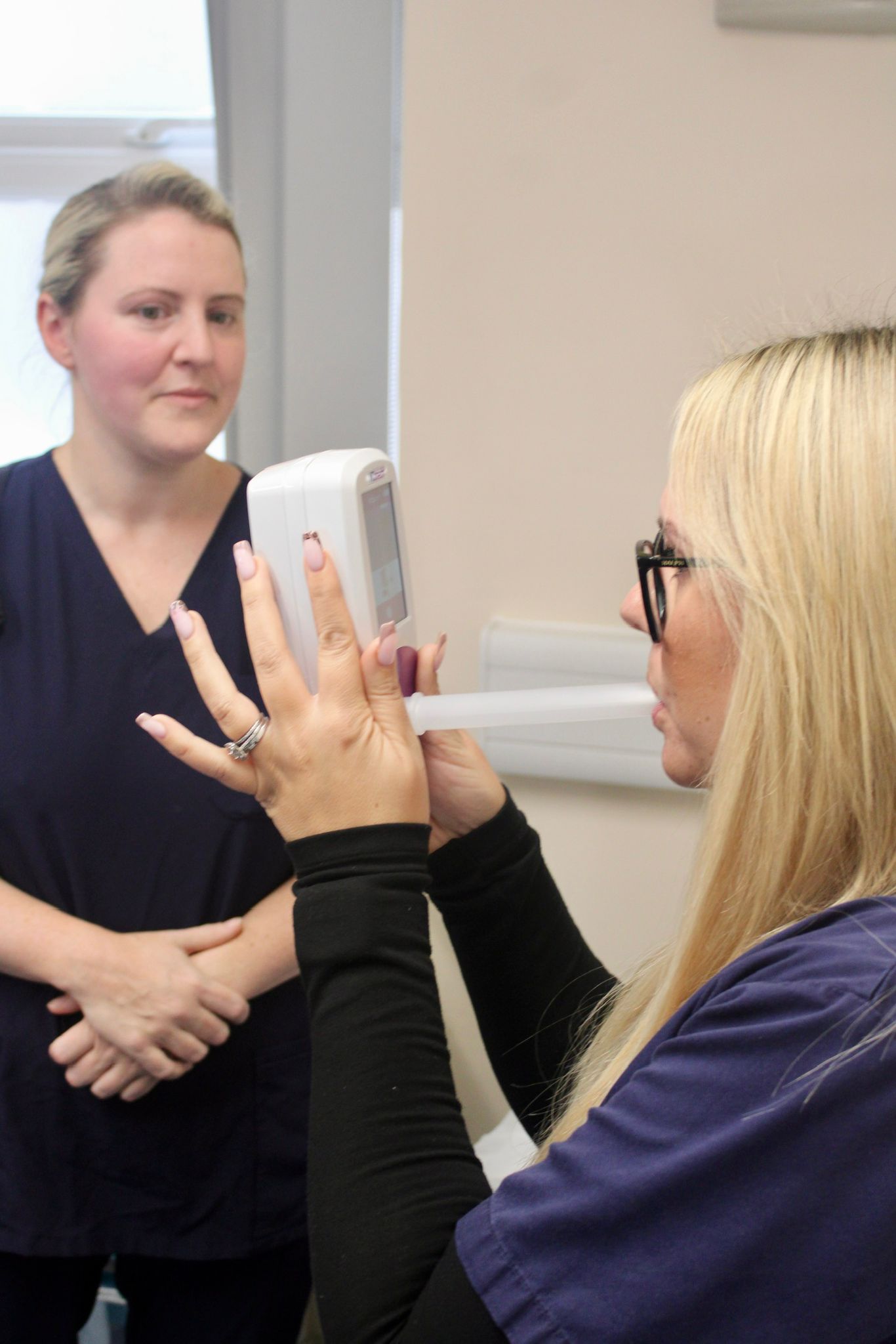
FeNO testing has become an established part of everyday asthma assessment across the UK. Whether used in GP practices, community respiratory hubs or specialist clinics, it gives clinicians a fast and reliable way to measure airway inflammation and support confident treatment decisions.
The sections below outline how FeNO is used in different healthcare settings and how it complements other commonly used diagnostic tools.
FeNO in Primary Care
Primary care is one of the key settings where FeNO testing delivers real value. Because many patients present with symptoms that overlap with other respiratory conditions, having an objective measure of airway inflammation helps GPs reach a more confident asthma diagnosis.
Within GP surgeries and Primary Care Networks, FeNO testing helps clinicians to:
• identify eosinophilic airway inflammation
• determine when inhaled corticosteroids are appropriate
• monitor asthma control over time
• avoid unnecessary steroid prescribing
• support NG245 diagnostic recommendations
FeNO is fast to perform, straightforward to interpret and well suited to busy primary care pathways.
FeNO in Secondary Care
In secondary care and specialist respiratory services, FeNO testing supports the assessment of more complex asthma cases. It helps clinicians understand the type and severity of airway inflammation and guides decisions around more advanced treatment options.
Clinicians in secondary care may use FeNO to:
• support diagnosis when symptoms are unclear or difficult to interpret
• assess how well patients are likely to respond to inhaled corticosteroids
• identify individuals who may benefit from specialist therapies
• monitor treatment outcomes during follow-up appointments
• contribute to assessments within severe asthma pathways
FeNO offers a clear inflammatory biomarker that complements the broader range of diagnostic tests available in hospital settings.
FeNO vs Spirometry
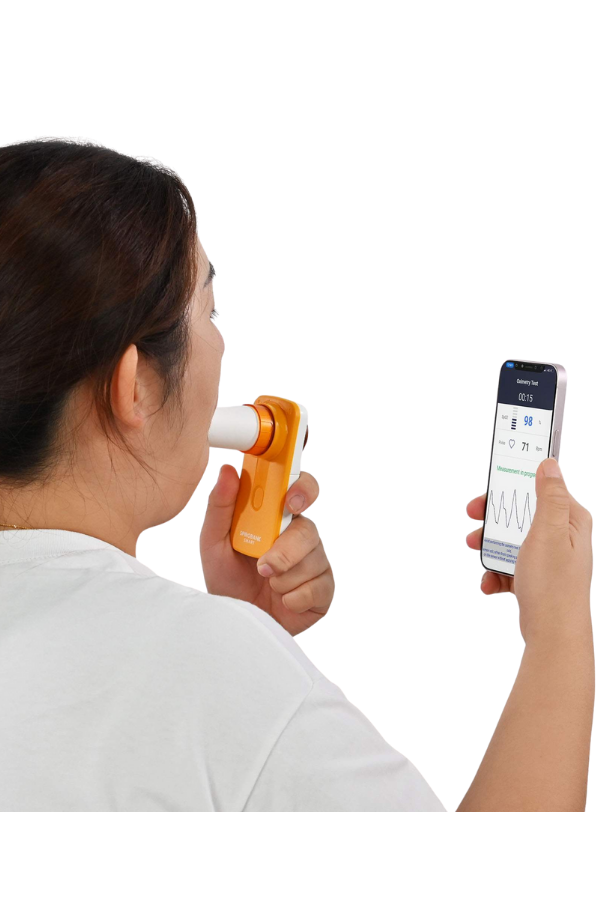
FeNO and spirometry assess different aspects of airway health, and they provide the most value when used together.
Spirometry measures how well the lungs are moving air in and out and is particularly useful for identifying airflow obstruction. It supports the diagnosis of conditions such as COPD and can detect airflow limitation in asthma. However, spirometry alone cannot measure airway inflammation.
FeNO testing measures the level of nitric oxide in the breath, providing an indication of eosinophilic inflammation commonly associated with asthma. This allows clinicians to detect airway inflammation even when spirometry results are normal.
In practice:
• Spirometry shows how well the lungs are functioning
• FeNO indicates how inflamed the airways are
Using both tests together gives clinicians a more complete understanding to guide diagnosis and ongoing asthma management.
FeNO vs Eosinophils
FeNO testing and eosinophil blood tests both help identify eosinophilic inflammation, but they provide different types of information.
A blood eosinophil test measures the number of eosinophils circulating in the bloodstream, which can indicate wider (systemic) inflammation. However, blood eosinophil levels can be influenced by infections, allergies or other health factors and may not accurately reflect what is happening in the airways.
FeNO testing measures nitric oxide levels directly from the breath, giving a real-time indication of inflammation within the airways. Results are available immediately at the point of care and can help indicate how likely a patient is to benefit from inhaled corticosteroids.
In summary:
• Eosinophils = systemic inflammation (blood test)
• FeNO = airway inflammation (breath test with immediate result)
This makes FeNO a more practical tool for rapid asthma diagnosis and ongoing management, particularly in primary care.