FeNO testing is becoming a core part of asthma care across GP surgeries, community clinics and integrated pathways. As more practices adopt the technology, clinical teams, PCNs and ICBs face an important decision: which FeNO device offers the best fit for their service?
With multiple analysers available, choice matters. The right device should be simple to use, reliable across patient appointments, cost effective to run and backed by consistent clinical evidence. This blog explores the key considerations when selecting a FeNO system for your service.
Accuracy and clinical validity
FeNO is only valuable if measurements are accurate and reproducible. Clinicians need results they can rely on to make informed decisions.
The ideal FeNO device should:
- Produce consistent readings breath to breath
- Be validated against international performance standards
- Provide clear ppb values without interpretation ambiguity
- Perform reliably across paediatric and adult populations
Devices recognised in peer reviewed research or
clinical guidelines offer additional reassurance.
Ease of use for busy clinical environments
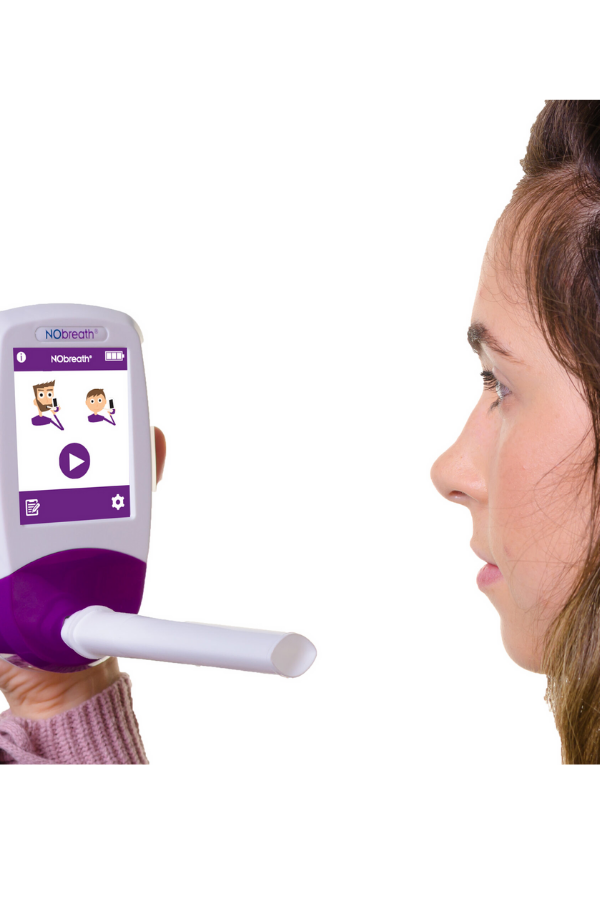
Primary care teams need technology that supports efficiency rather than slowing workflows. A FeNO device should be intuitive for clinicians and easy to explain to patients.
Look for:
- Minimal set up time
- On-screen prompts or animations
- Patient-friendly breath guidance
- Straightforward infection control steps
- Clear reading display in parts per billion
Ease of visual feedback also supports patient engagement, particularly for children and families.
Long term cost and sustainability
Cost is more than the purchase price. Running costs, consumables and replacement cycles all influence long term value. Practices and PCNs benefit from models that support permanent adoption rather than short-term investment.
Consider:
- Mouthpiece cost per test
- Need for calibration gases or replacement sensors
- Battery or power requirements
- Warranty duration
- Expected lifespan of the device
Low or predictable consumable costs allow better budget planning and make high volume use financially sustainable.
Infection control and clinical workflow
Modern FeNO devices should align with infection control standards across primary and secondary care. Designs that avoid cross contamination and simplify cleaning save time at every appointment.
Features worth prioritising include:
- Disposable mouthpieces
- No internal filters requiring replacement
- Easy surface cleaning
- Minimal physical contact between patient and device
These factors are especially important in high throughput clinics, paediatric settings and community hubs.
Suitability for a range of respiratory pathways
A flexible FeNO device should fit seamlessly into multiple clinical scenarios including:
- Asthma diagnosis
- Monitoring long-term control
- Steroid adherence reviews
- EMIS/SystmOne-linked chronic disease templates
- Nurse-led respiratory clinics
- Community diagnostic hubs
It should also be robust enough for shared PCN or ICB models where equipment is moved between locations.
Training, support and resource availability
Even the best-designed equipment benefits from meaningful support. Look for suppliers that provide:
- Quick start training materials
- Clinical interpretation guides
- Troubleshooting and customer support
- Educational resources for staff and patients
- CPD-aligned material where available
FeNO is most impactful when teams understand how to interpret results confidently.
Making a confident choice
The right FeNO device provides:
- Reliable, repeatable measurements
- Low ongoing costs
- Minimal maintenance
- Clear information for patients
- Compatibility with busy appointment schedules
- Sustainable deployment across multiple sites
Choosing a device that balances accuracy, usability and lifetime cost unlocks long-term value for practices, PCNs and ICBs and ensures asthma care remains consistent and data driven.




Comments are closed.